
G.K. Chesterton said, “Poetry, the highest form of literature, has here its immortal function; it is engaged in a desperate and divine battle against things being taken for granted.” I hope that my poetry is never so paltry as to take for granted its purpose and power, as my daughter Sarah has said, to “find the miraculous in the mundane.”


A quarantine sonnet inspired by a photo on a late afternoon walk near Monument Rock, and written out of the pensive pool of pandemic ponderings about light and life on the way to seventy.
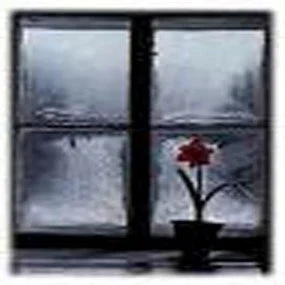
I was contemplating the role of the artist in my life of faith. I envisioned myself inside an enclosed room, walled in on all sides by this thing called time. Outside the solid yet opaque walls of my time box was eternity—the endless expanse of time and space. But there were windows in the walls of the time box.

They are the hands of God. These hands.
Just common, corporeal stuff. But mine.
These uncommon wonders of God’s design.
He put himself into my hands. His life is in my hands.

I enjoy writing poetry, though I am little more than a novitiate of the poetic craft, a tyro in training. Why poetry? I am drawn to the mystery and magic of words, and the rhythm and rhyme of verse and form.

Cross Words: The Seven Last Words of Christ from the Cross. A Good Friday sonnet cycle.
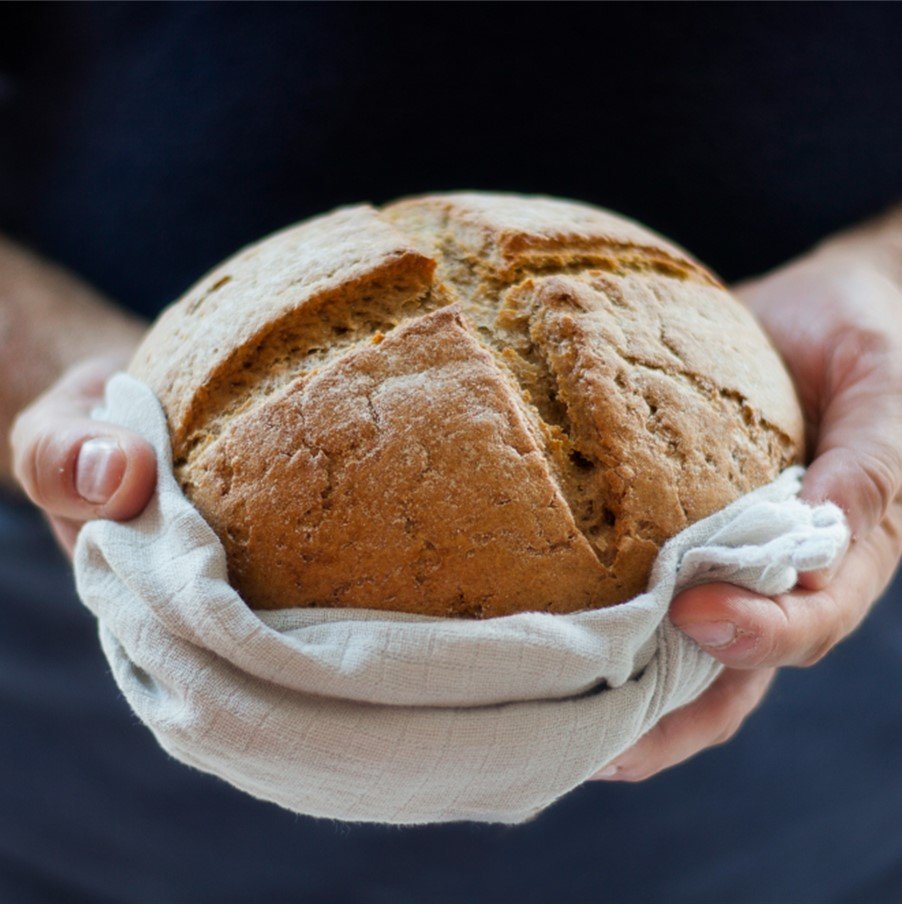
This was a Lenten season sonnet. It is a reflection on Christ as the bread of life. We need bread to live, just as we need Christ to live. God gives us bread, just as he gave us Jesus.
A poem that emerged from a song written in the quiet of family life …